
Project coordination and field support
FREESupports planning, scheduling, deployment, documentation, and service across project locations.
This page explains the service, the business challenges it is designed to address, and practical ways eligible members may use it. Availability and any project-specific terms are confirmed with AsOneForce.
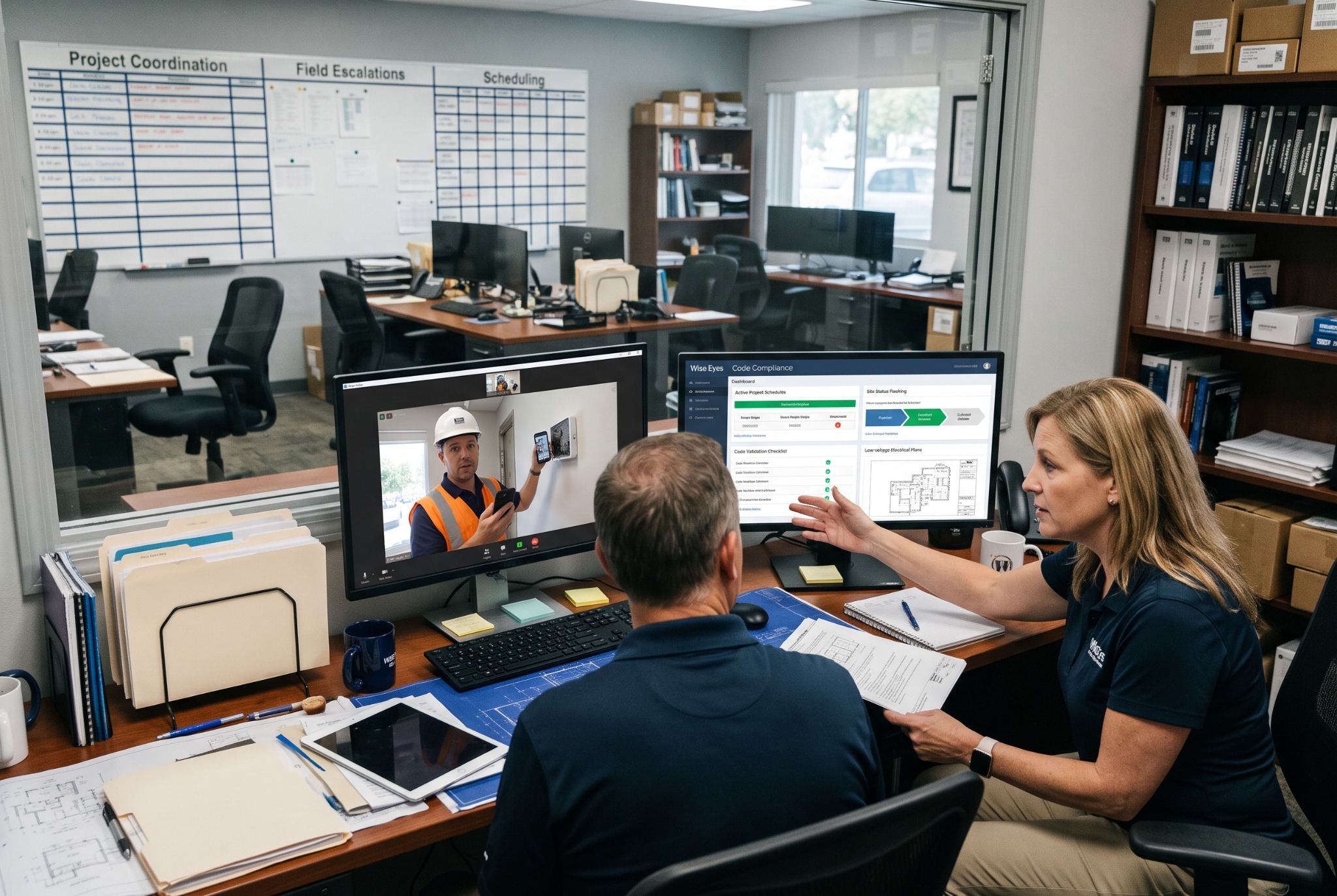
Top 10 problems this offering helps solve
Review each challenge alongside why it matters and how this offering may help address it.
| # | Problem | Why it matters | How the offering helps |
|---|---|---|---|
| 1 | Project actions are scattered across email and spreadsheets | Missing information creates estimating, coordination, or delivery risk. | Project coordination and field support define ownership, schedule, readiness, work instructions, status updates, issue routing, and completion evidence. Improves visibility into work status, ownership, field issues, and closeout. |
| 2 | Task ownership and due dates are unclear | Named owners and due dates make follow-up actionable. | Project coordination and field support define ownership, schedule, readiness, work instructions, status updates, issue routing, and completion evidence. Improves visibility into work status, ownership, field issues, and closeout. |
| 3 | Schedules slip without early warning | Early status helps teams respond to risk. | Project coordination and field support define ownership, schedule, readiness, work instructions, status updates, issue routing, and completion evidence. Improves visibility into work status, ownership, field issues, and closeout. |
| 4 | Site readiness checks are missed before dispatch | Photos and observations lose context when not tied to a location or device. | Project coordination and field support define ownership, schedule, readiness, work instructions, status updates, issue routing, and completion evidence. Improves visibility into work status, ownership, field issues, and closeout. |
| 5 | Technicians lack current work instructions | Current instructions help crews perform the approved scope. | Project coordination and field support define ownership, schedule, readiness, work instructions, status updates, issue routing, and completion evidence. Improves visibility into work status, ownership, field issues, and closeout. |
| 6 | Field status does not reach project managers promptly | Timely updates support coordination and customer communication. | Project coordination and field support define ownership, schedule, readiness, work instructions, status updates, issue routing, and completion evidence. Improves visibility into work status, ownership, field issues, and closeout. |
| 7 | Open issues do not have a clear escalation owner | Escalation ownership prevents unresolved blockers. | Project coordination and field support define ownership, schedule, readiness, work instructions, status updates, issue routing, and completion evidence. Improves visibility into work status, ownership, field issues, and closeout. |
| 8 | Photos and completion evidence are incomplete | Completion evidence supports QA and customer acceptance. | Project coordination and field support define ownership, schedule, readiness, work instructions, status updates, issue routing, and completion evidence. Improves visibility into work status, ownership, field issues, and closeout. |
| 9 | Customers repeatedly request progress updates | Proactive updates reduce status-chasing. | Project coordination and field support define ownership, schedule, readiness, work instructions, status updates, issue routing, and completion evidence. Improves visibility into work status, ownership, field issues, and closeout. |
| 10 | Post-install service actions are not tracked to closure | Service actions need a tracked owner and completion state. | Project coordination and field support define ownership, schedule, readiness, work instructions, status updates, issue routing, and completion evidence. Improves visibility into work status, ownership, field issues, and closeout. |
Frequently asked questions
Answers about eligibility, use, and service expectations.
What does project coordination cover?
Coordination can cover milestones, site readiness, dispatch planning, work instructions, status updates, issue routing, and closeout tracking. The exact responsibilities depend on the project scope and named owners. Eligible members may access described membership services at no charge; project labor and third-party costs are agreed separately. Define milestones, work owners, site readiness, dispatch needs, and closeout requirements. Coordinate field updates and route issues to named decision makers. Confirm which coordination tasks are included in the agreed scope.
What information should a field technician receive before dispatch?
Before dispatch, provide the approved scope, site address, access instructions, schedule, local contact, drawings, equipment details, safety requirements, and escalation path. Confirm the site is ready and the technician has the required qualifications. Missing access or scope details should be resolved before travel where practical. Send the approved scope, site and access details, schedule, customer contact, and current drawings. Confirm equipment, safety instructions, and required crew qualifications. Resolve access or scope gaps before dispatch when practical.
How should field issues be escalated?
Name the person authorized to make project decisions and document how to reach them. Report the site, task, impact, urgency, and action needed; escalate safety, access, or schedule blockers promptly. The project plan should define response expectations and who can approve changes. Use a named escalation contact and a documented method to reach them. Report the site, issue, urgency, impact, and decision needed. Follow the agreed response path for safety, access, technical, and schedule blockers.
What is a useful project status update?
A useful update identifies the site and work order, work completed, current status, blocker or risk, schedule effect, next step, and owner. Add photos or test evidence when required and appropriate. Keep customer information within approved project channels. Identify the site and work order, completed work, open items, and current schedule. Name the next action and its owner. Attach approved photos or test evidence when the project requires it.
What should happen before a site is marked complete?
Compare completed work with the approved scope, record required tests and QA evidence, update device or asset details, and note exceptions. Obtain customer or project sign-off where required, and assign every open item an owner and due date. Acceptance and payment terms are set in the project agreement. Compare the work with the approved scope and record required test and QA results. Update device or asset details and note any exceptions. Obtain required sign-off and assign open follow-up items before reporting completion.
See how this fits your business
Tell us about your company, service area, capabilities, and goals. AsOneForce can discuss eligibility and the next steps for this offering.
Join AsOneForce →